Travels Of A Painter
Travels of a Painter
During my travels through Torne Valley — visiting relatives, museums, and local craftsmen — one recurring element appeared almost everywhere: traditional folk paintings on furniture. Most common items was hope chests (brudkistor), hay chairs (höstolar), side tables, clocks, and cabinets.
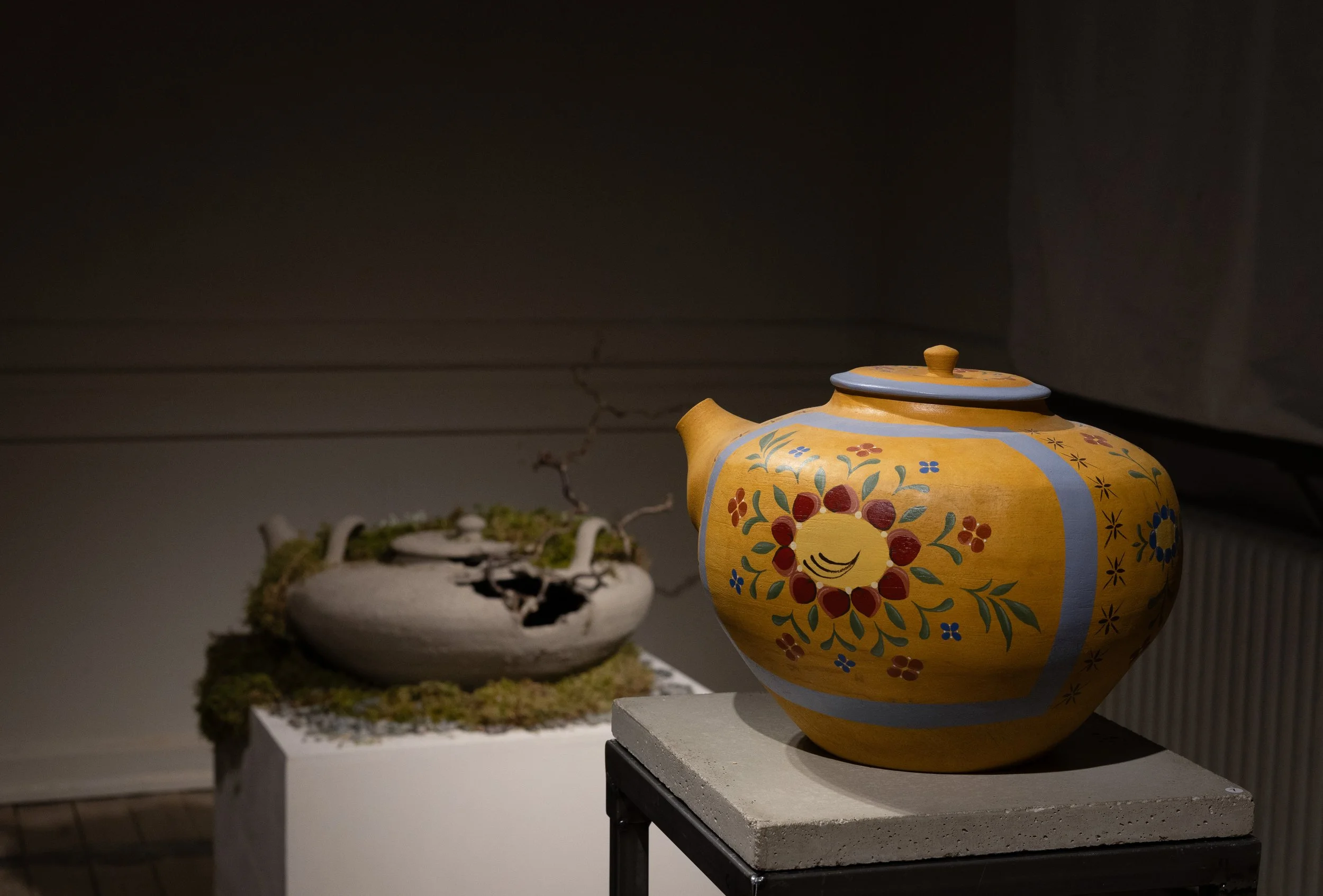
Historically, decorative painters travelled from village to village, painting directly in people’s homes and leaving behind their personal artistic expression on furniture and interiors. The title Travels of a Painter came to mind and refers both to these itinerant painters and my own journey within this project. During my research process, I came across some work by one of the few contemporary practitioners still carrying this traditional technique forward: Gunnel Tjäder from Kiruna. Having learned from an earlier generation of painters, she continues to preserve and pass on the tradition of folk painting, ensuring that this cultural knowledge remains alive for future generations.
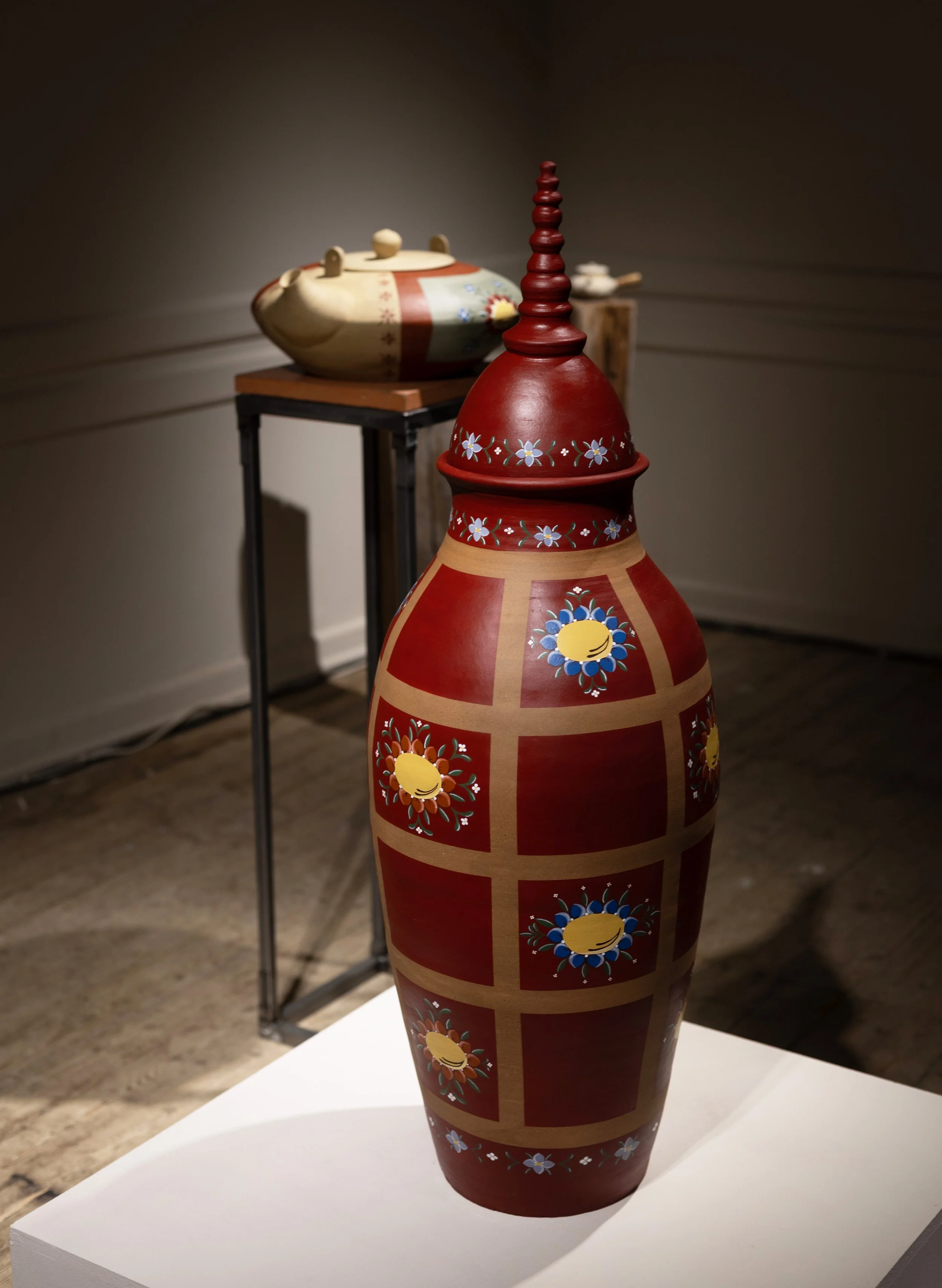
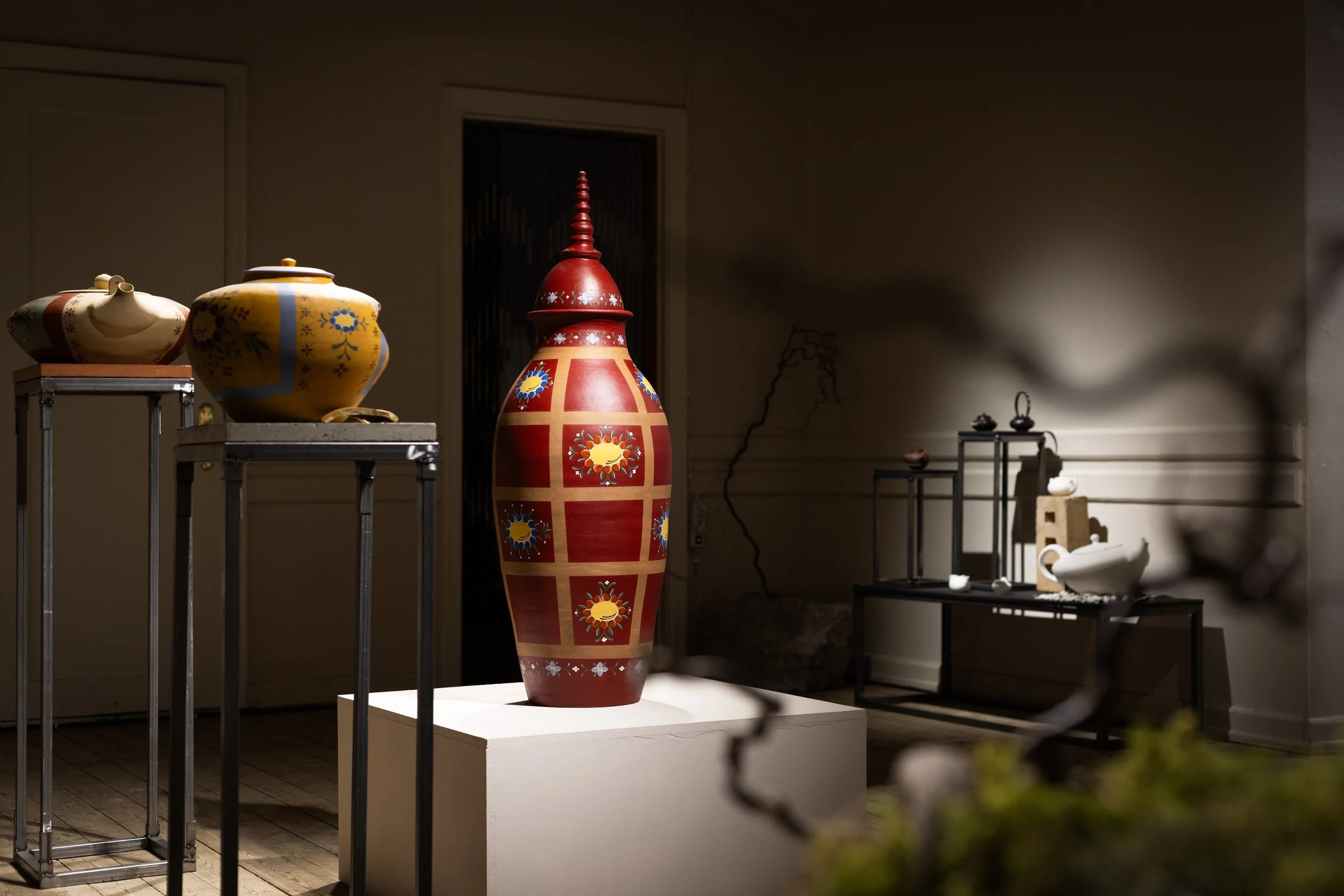
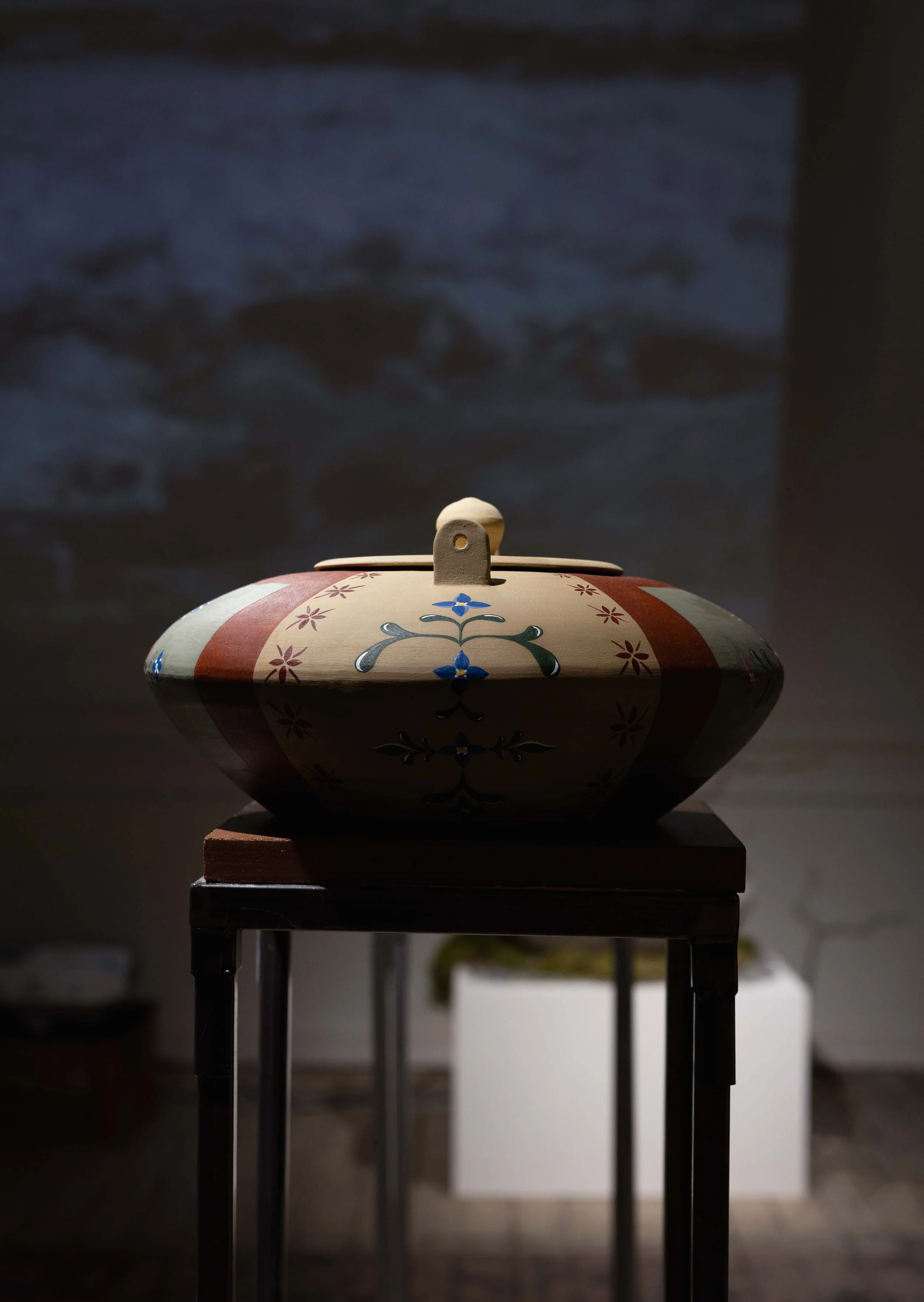
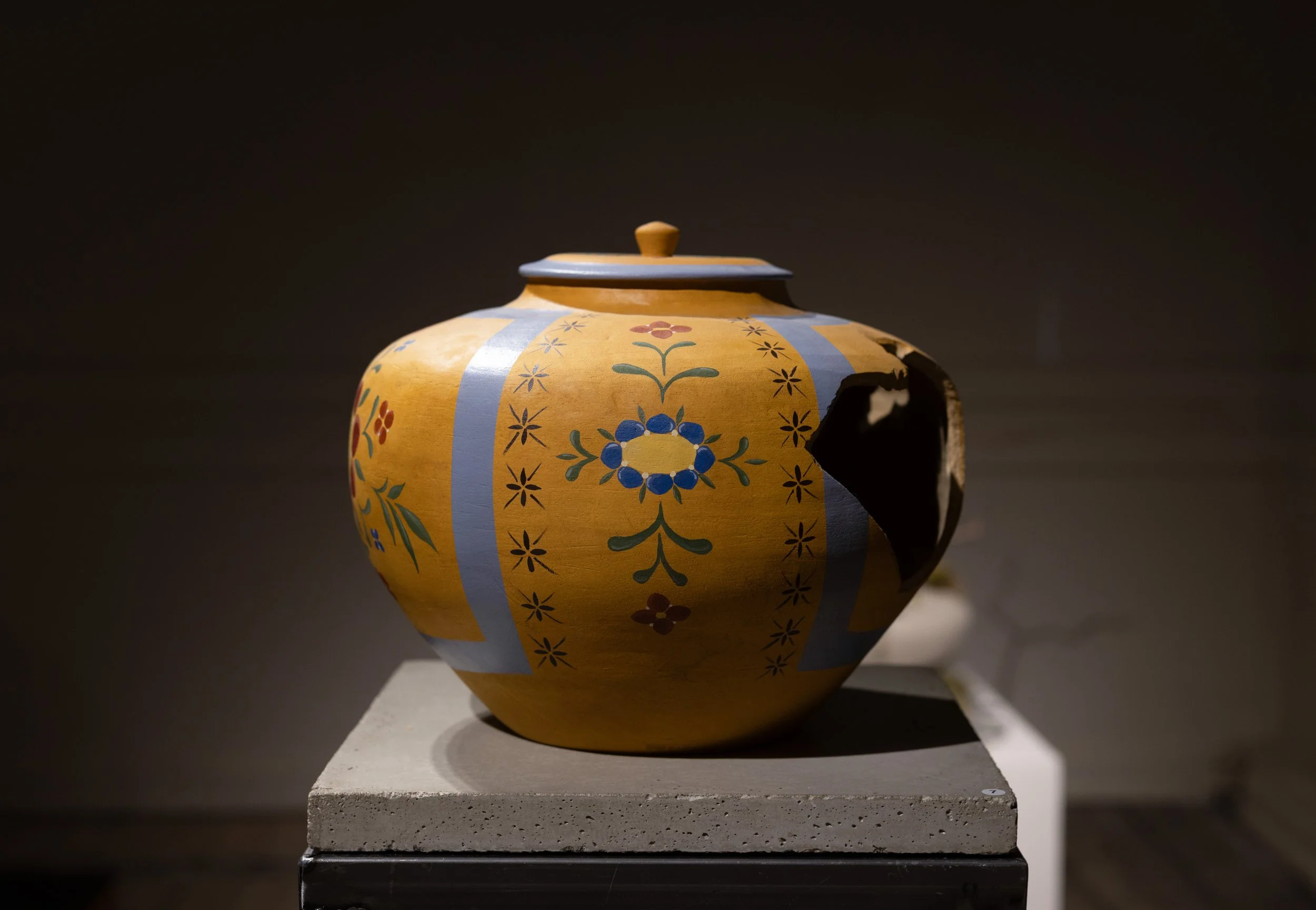
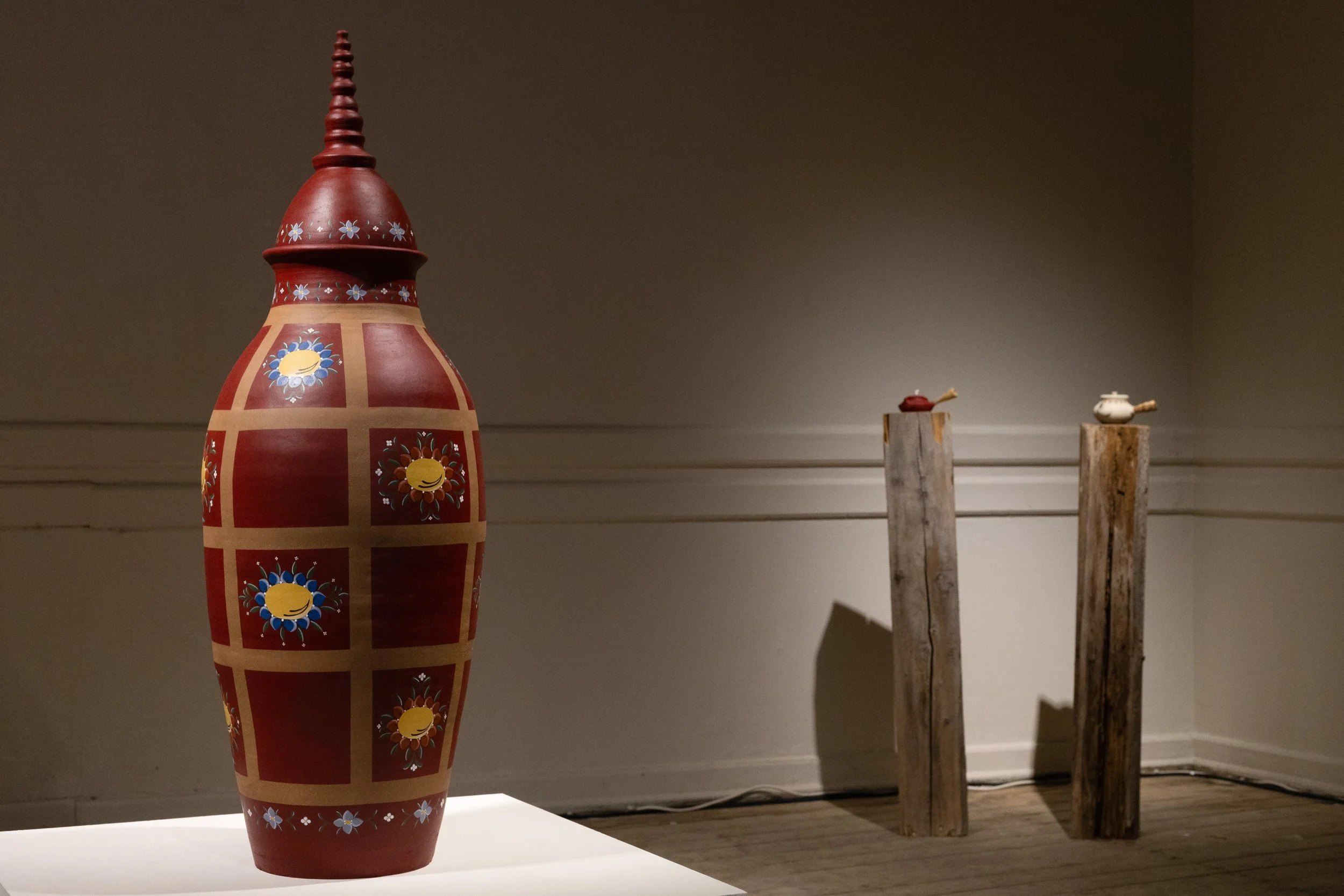
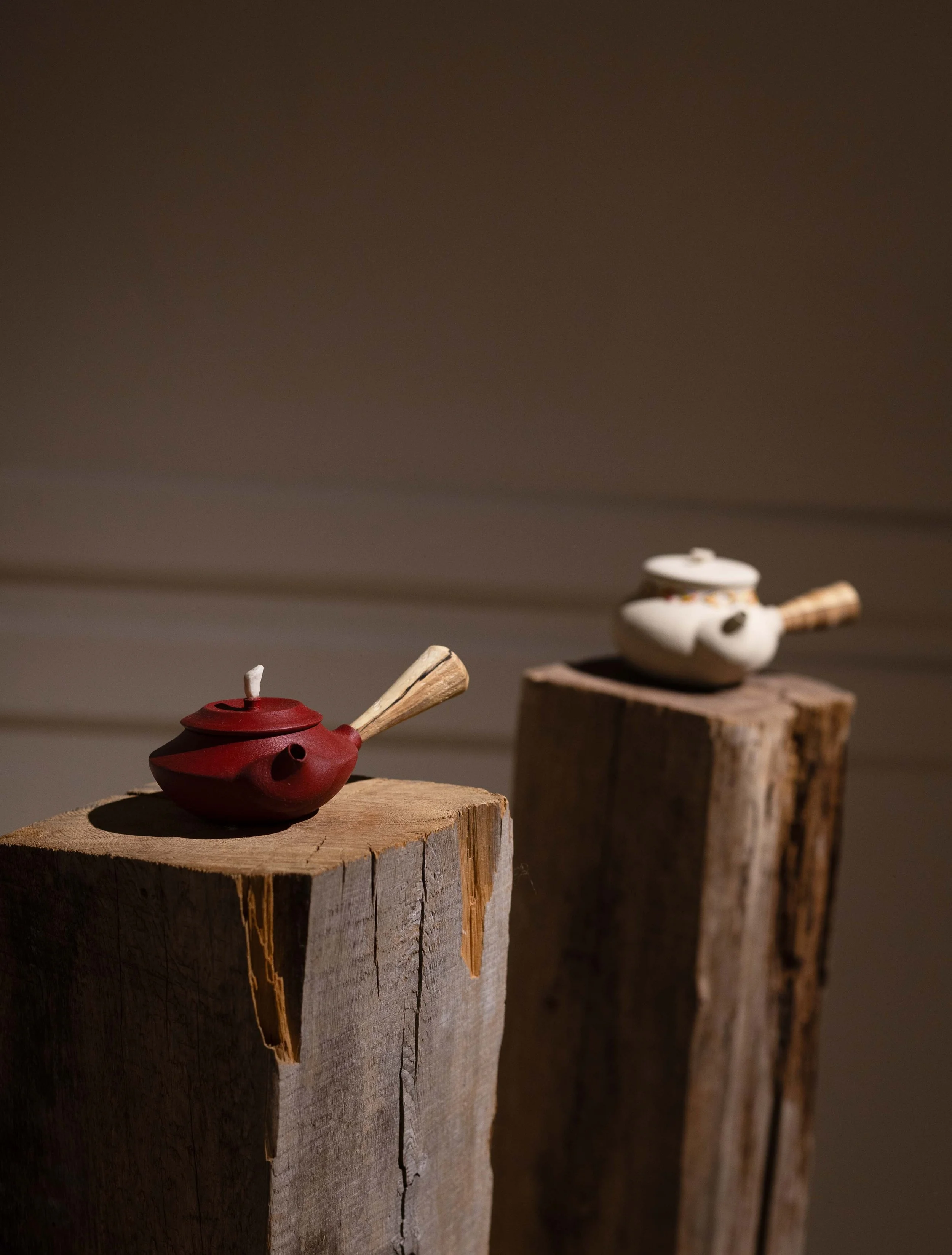
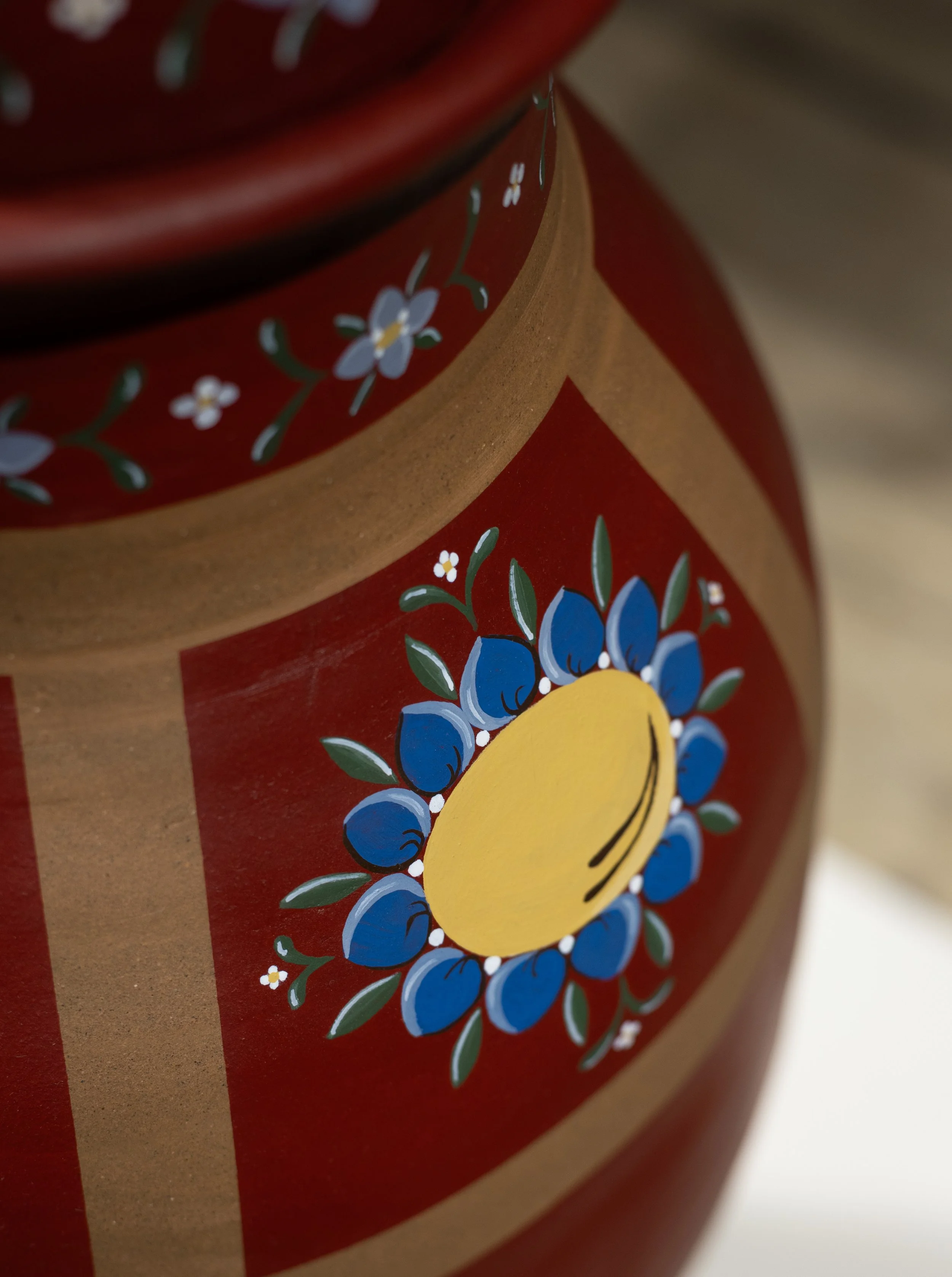
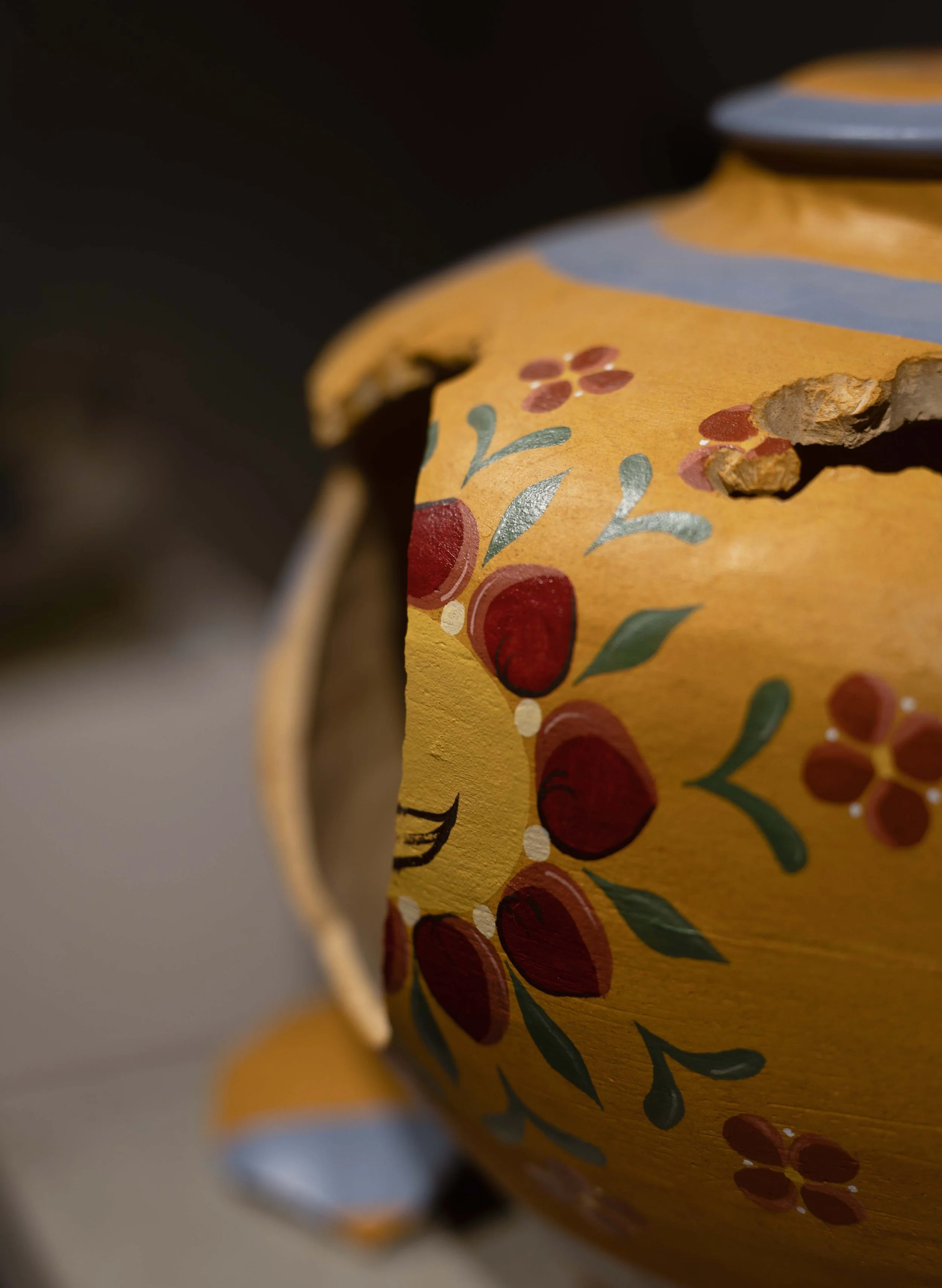
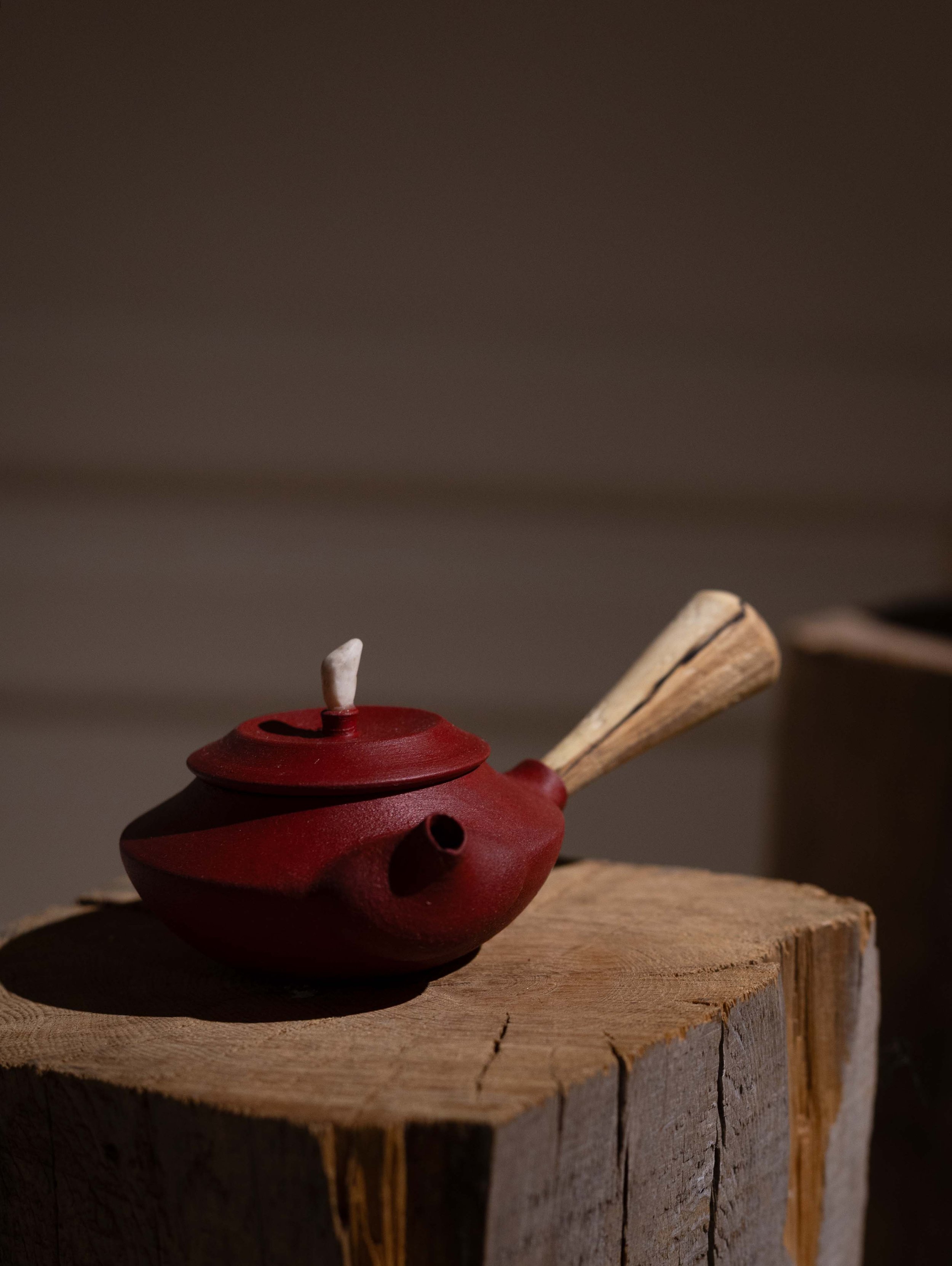
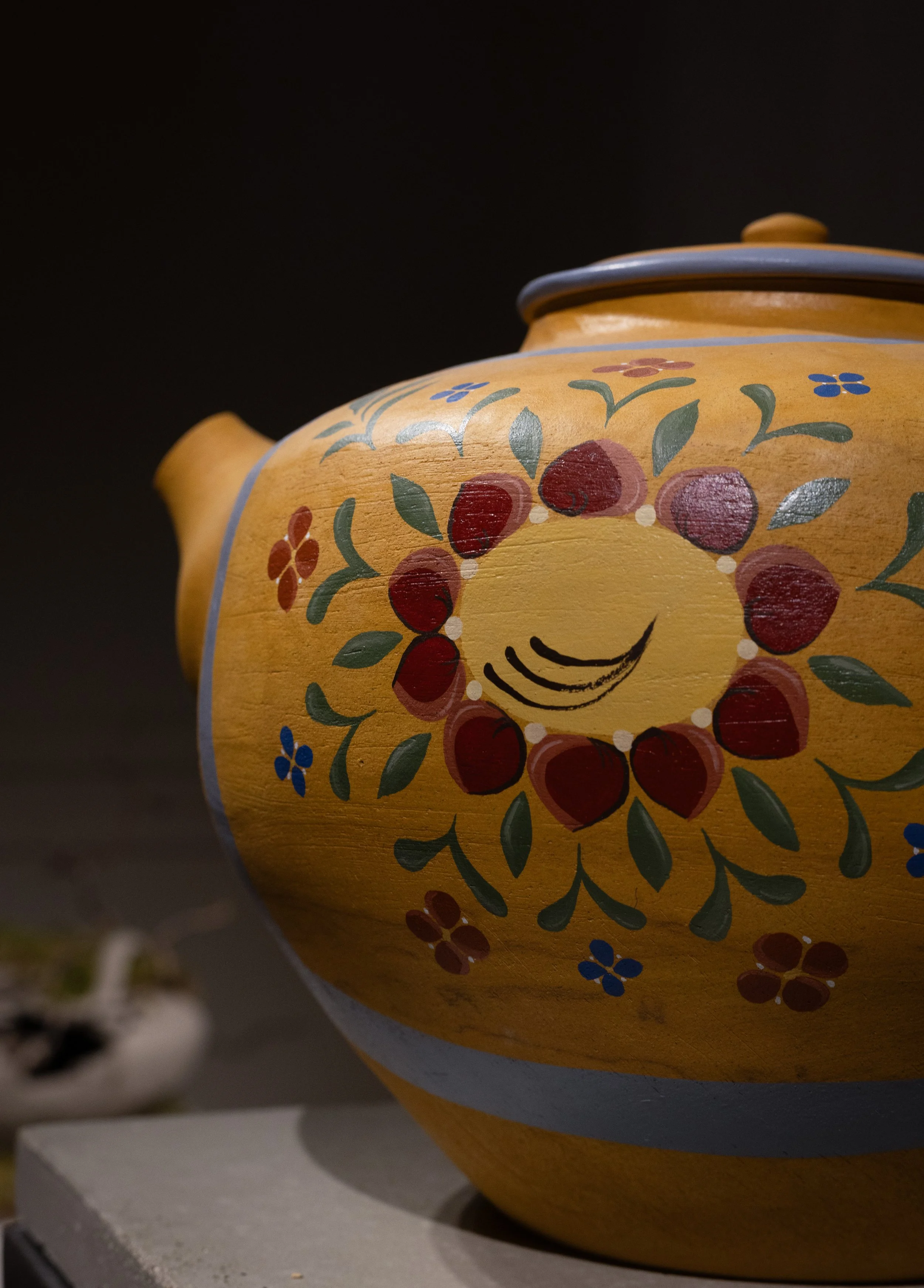
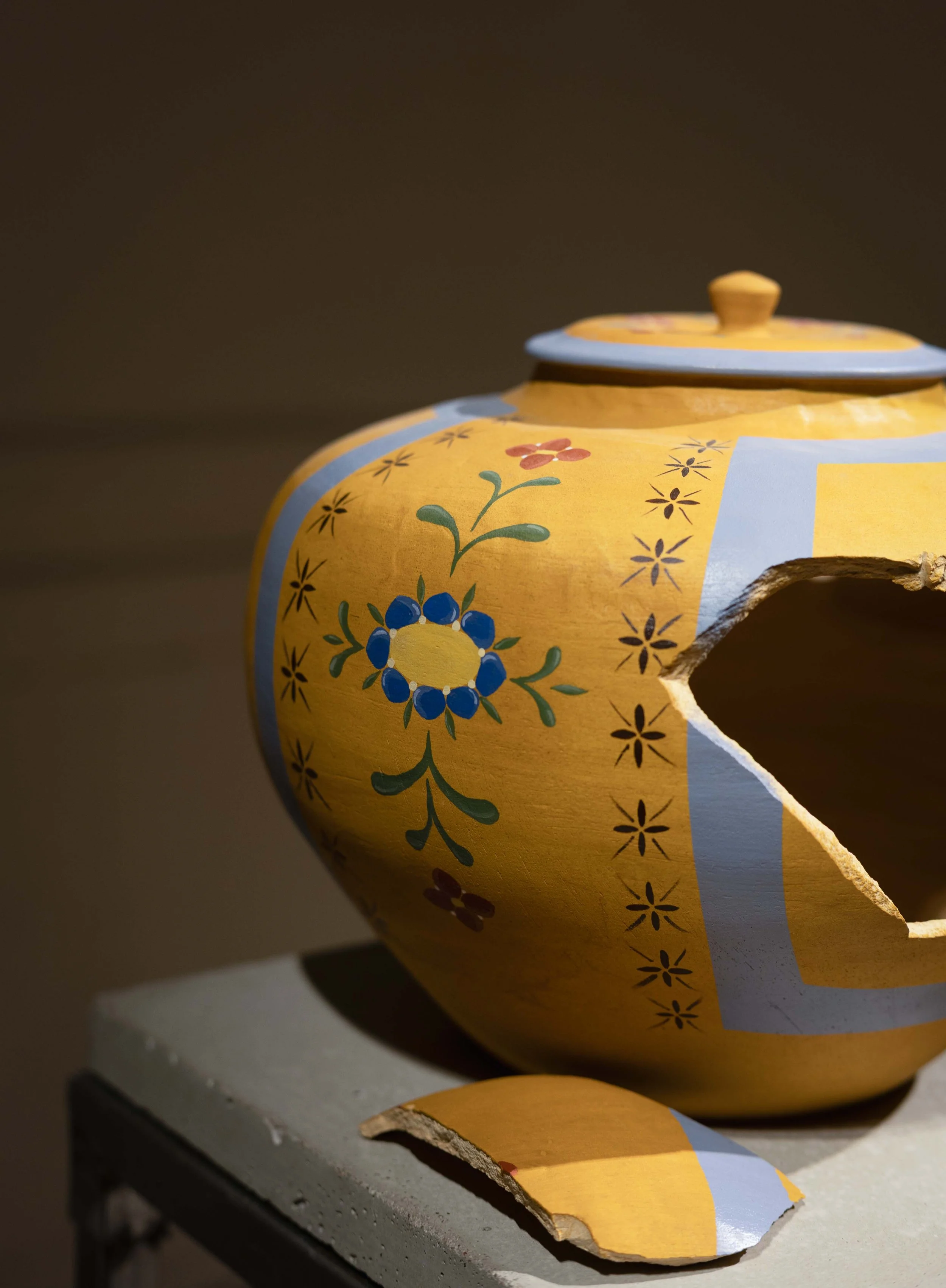
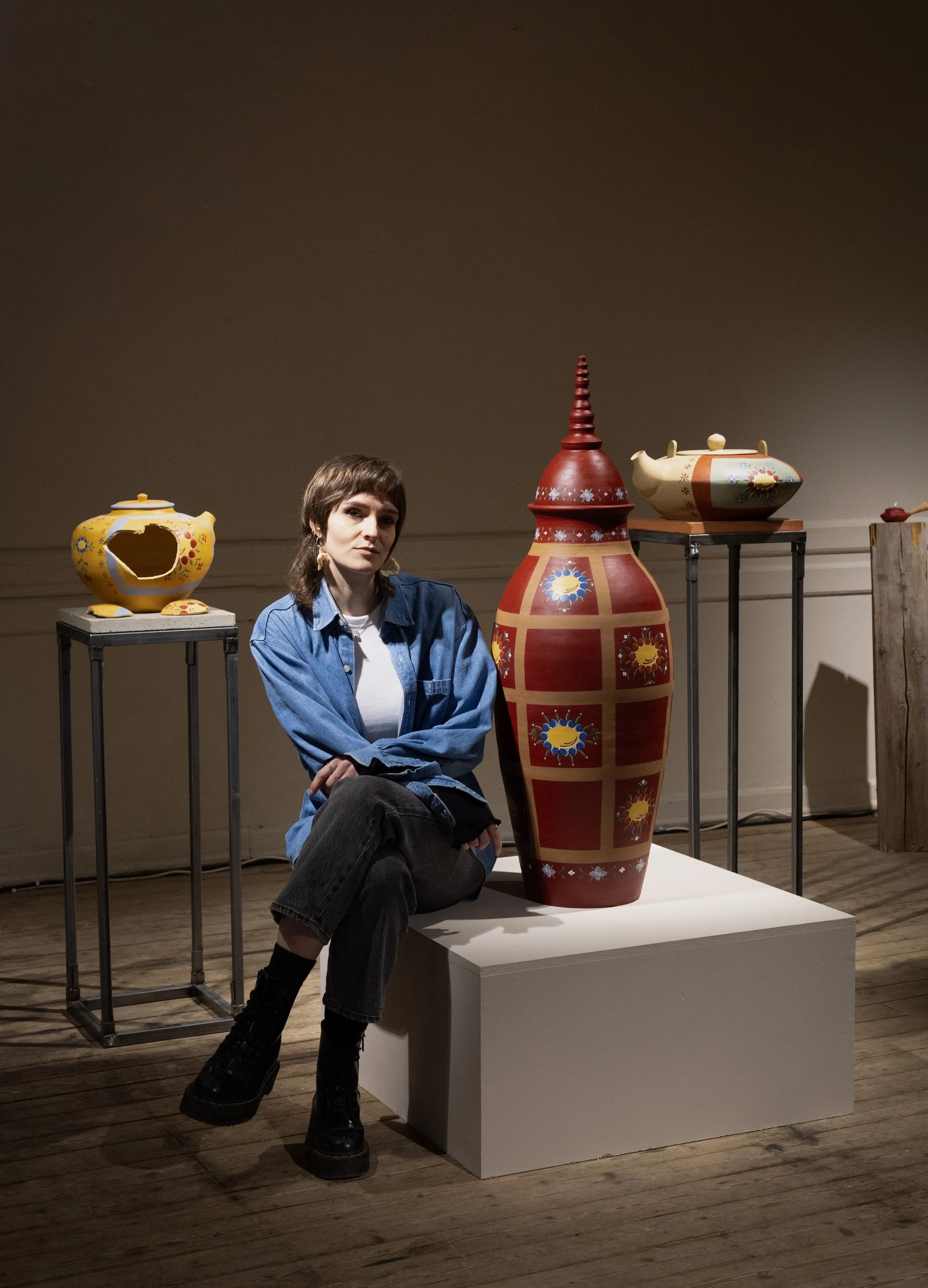
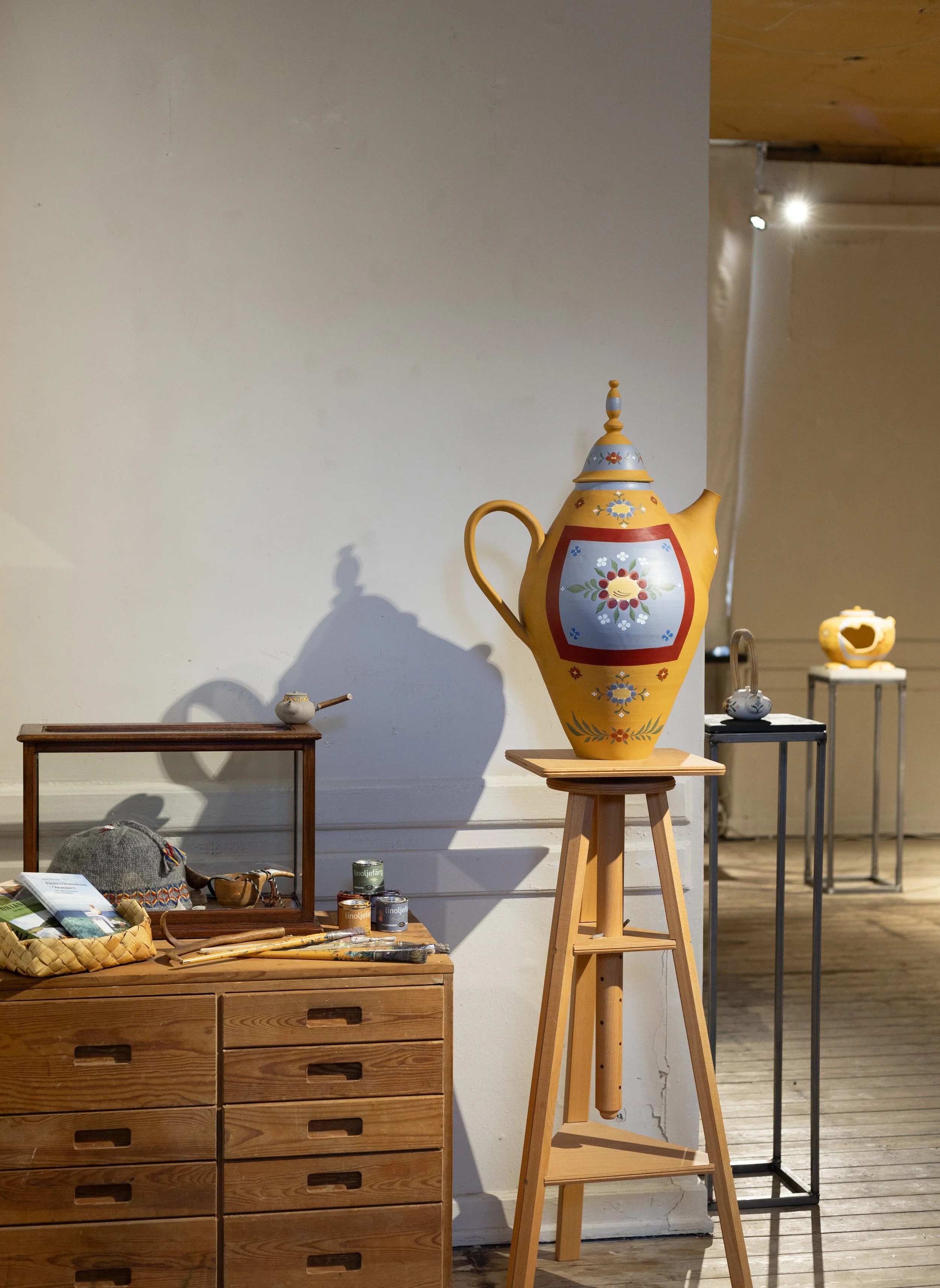
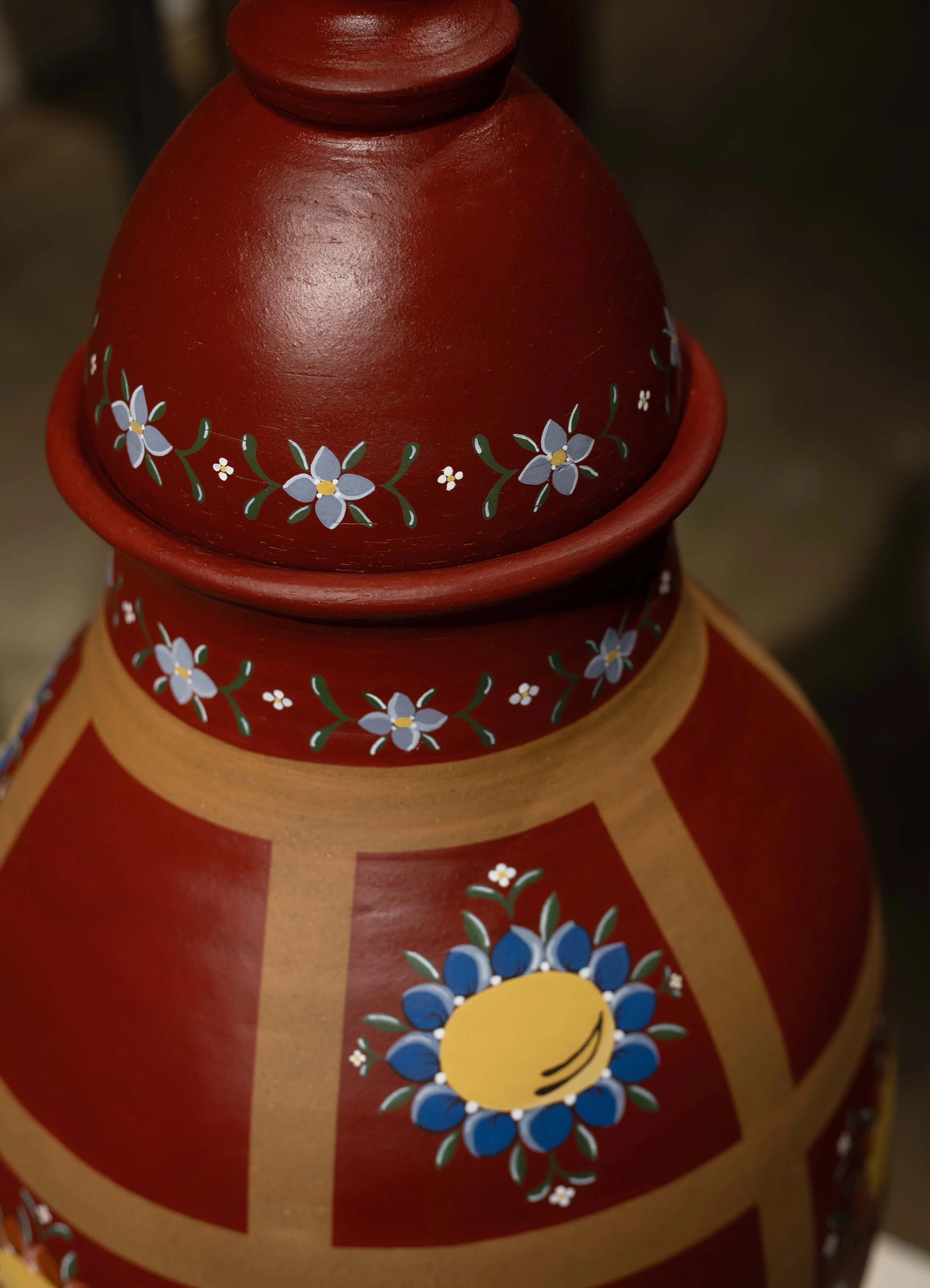
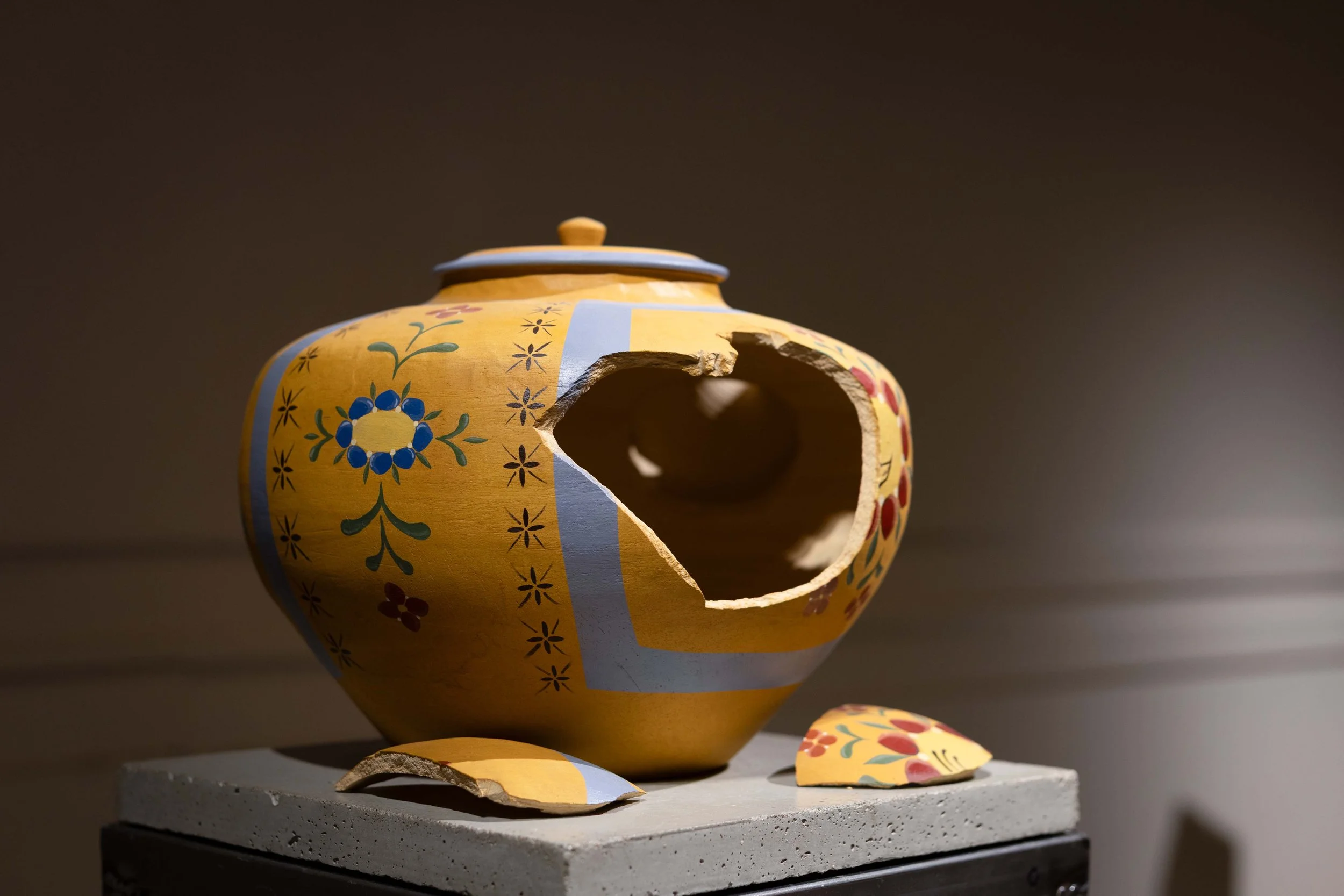
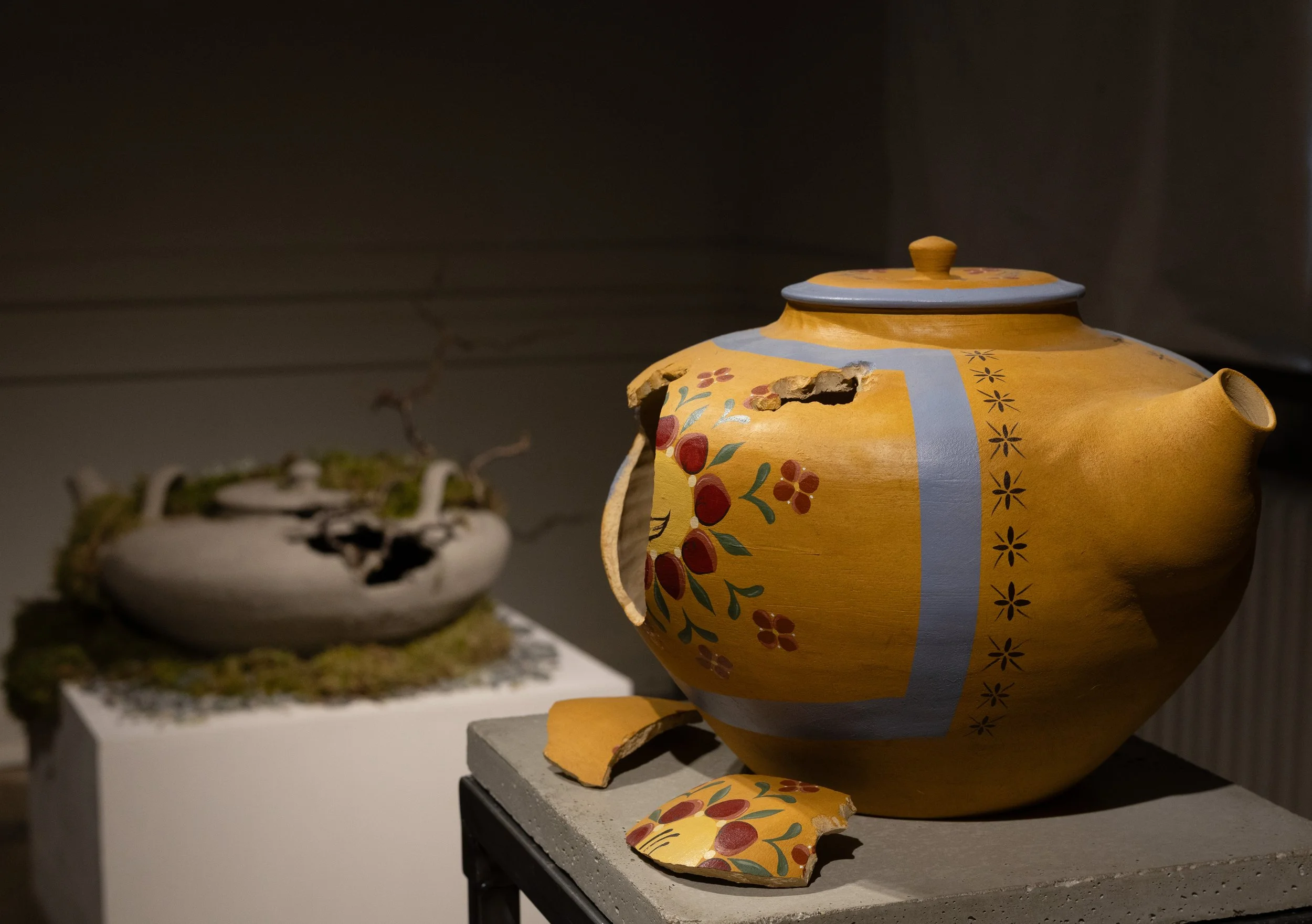
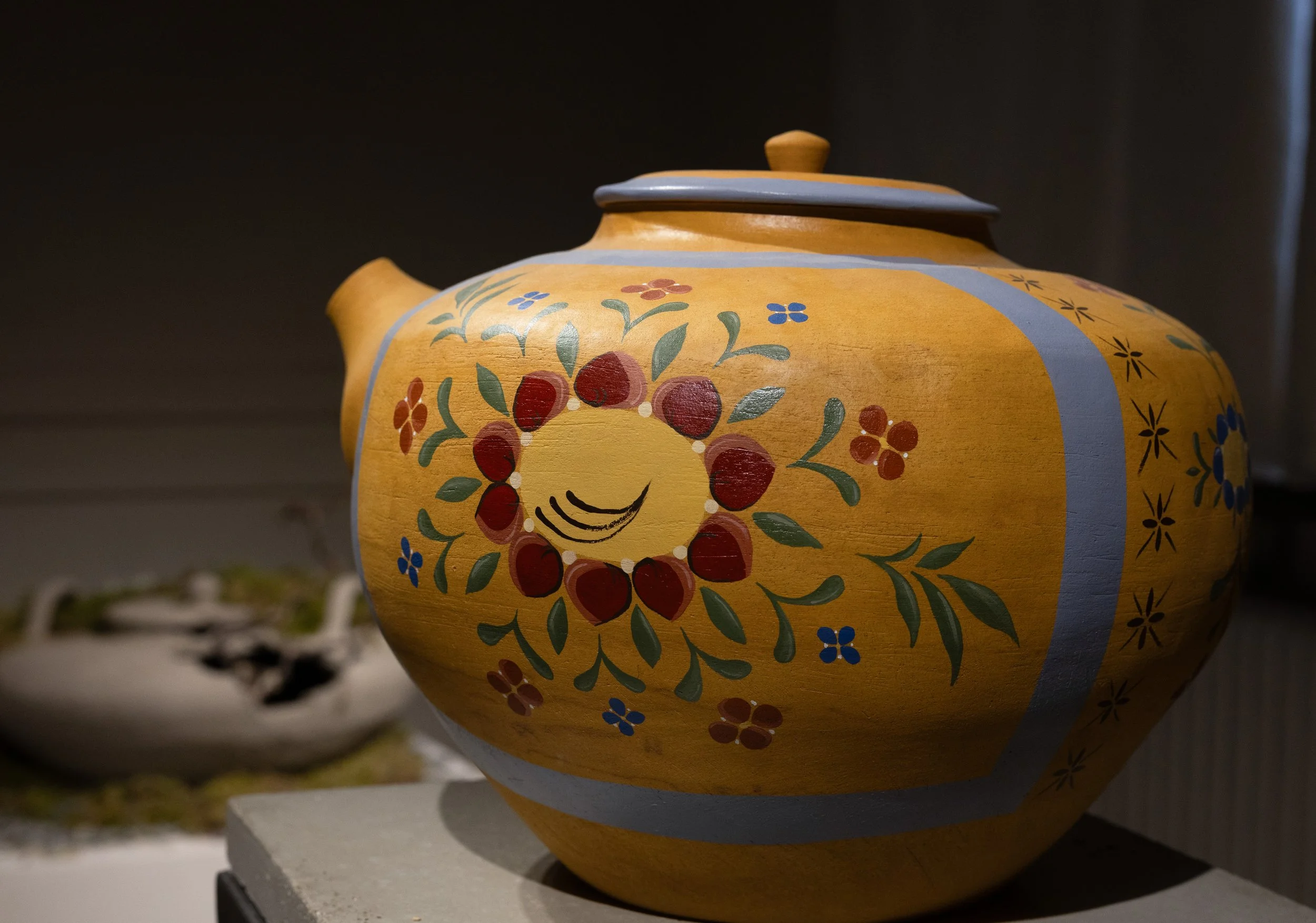
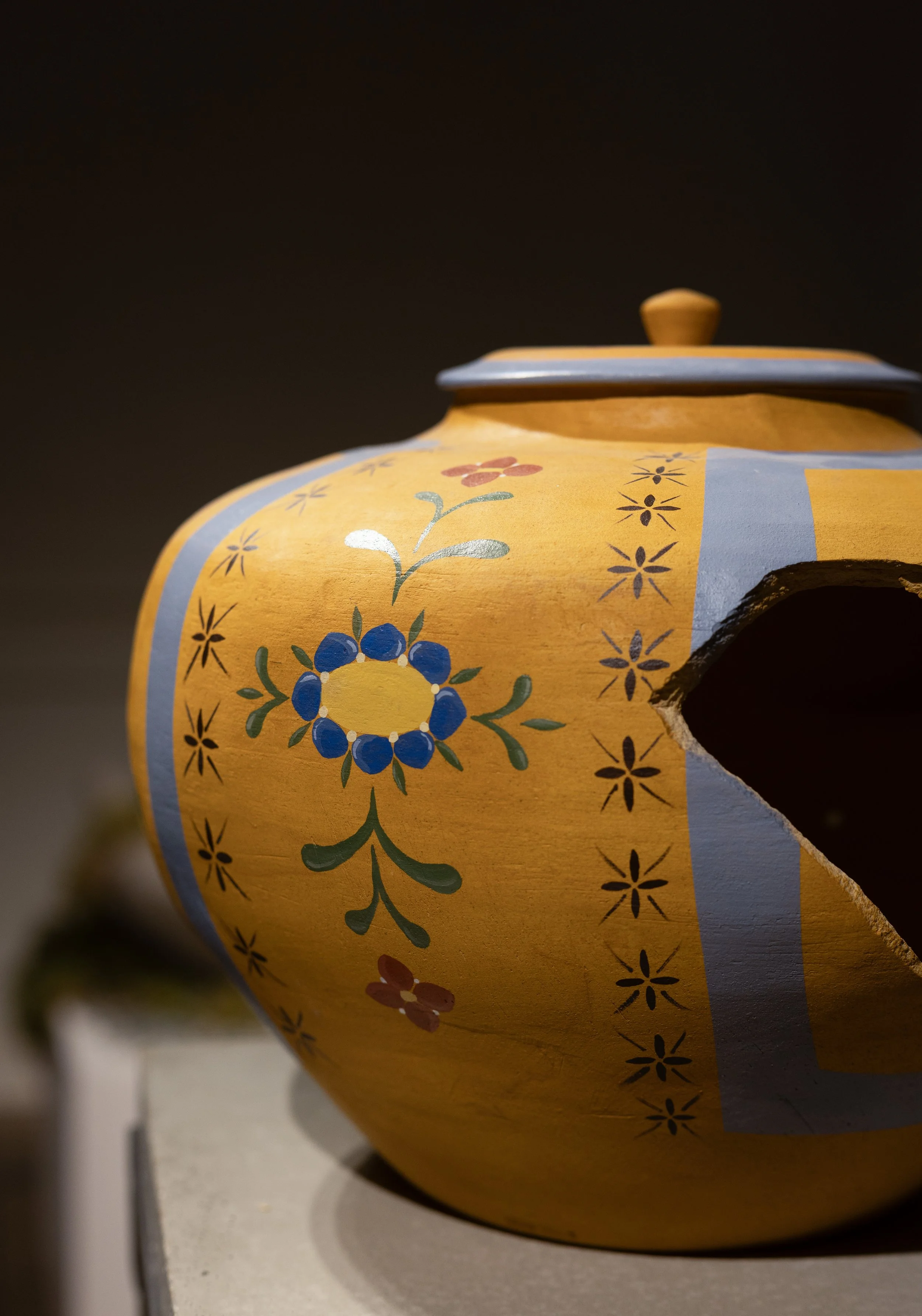
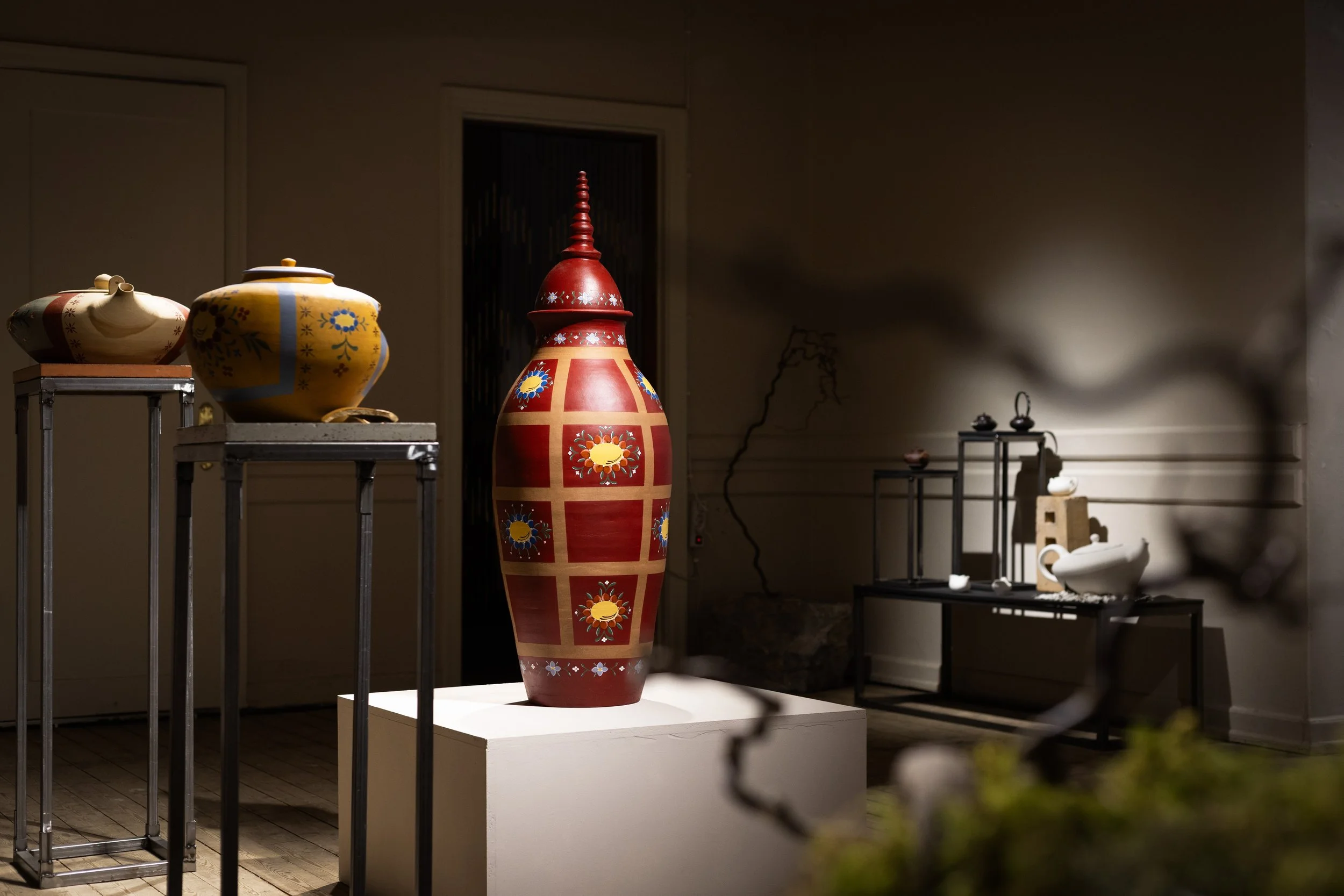
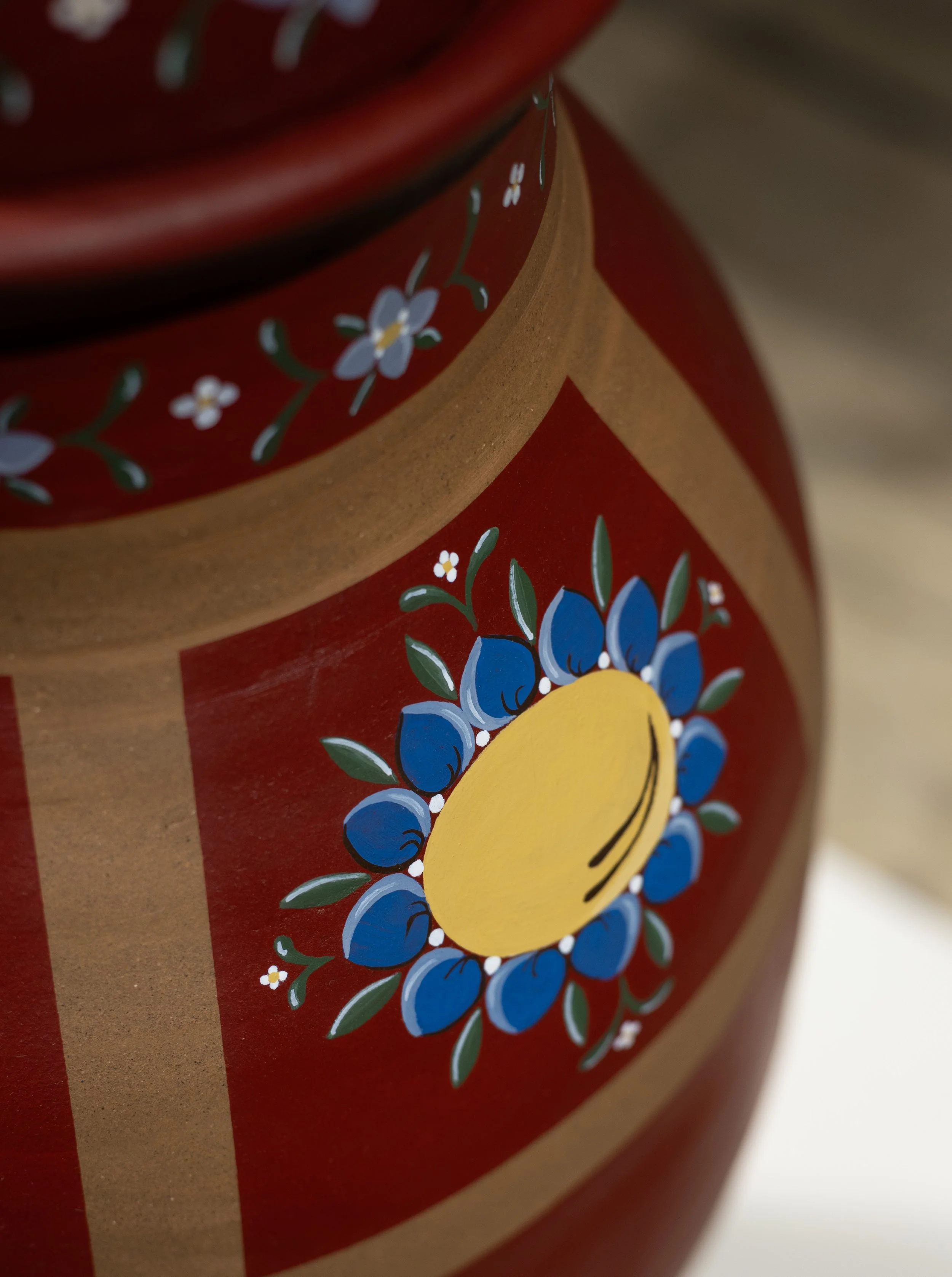
This series of sculptures is inspired by the traditional folk paintings of Torne Valley. I wanted to stay true to the traditional way of doing things while combining it within my own professional field. For this reason, I chose to work with linseed oil paint — traditionally used for this particular craft.
Process
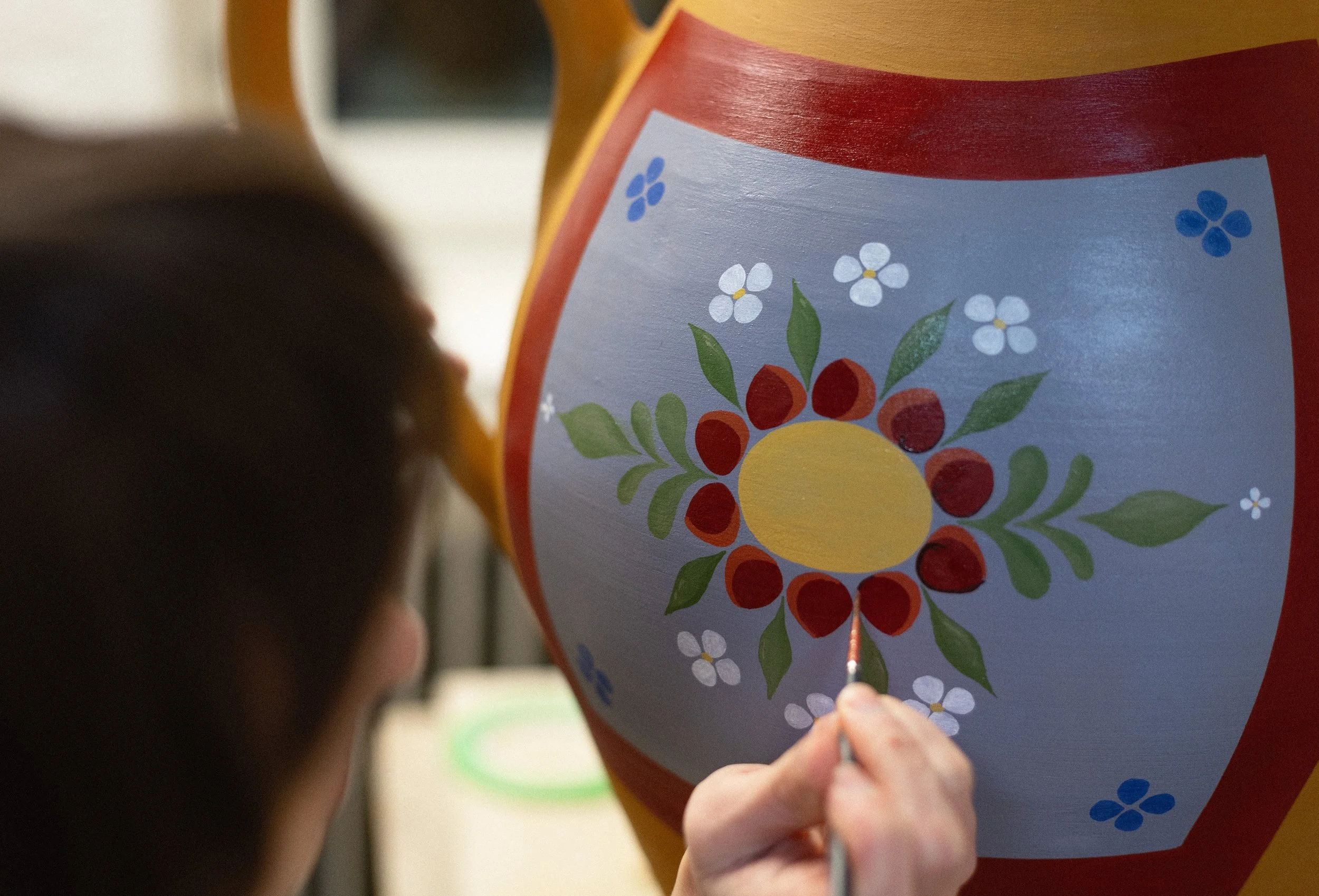
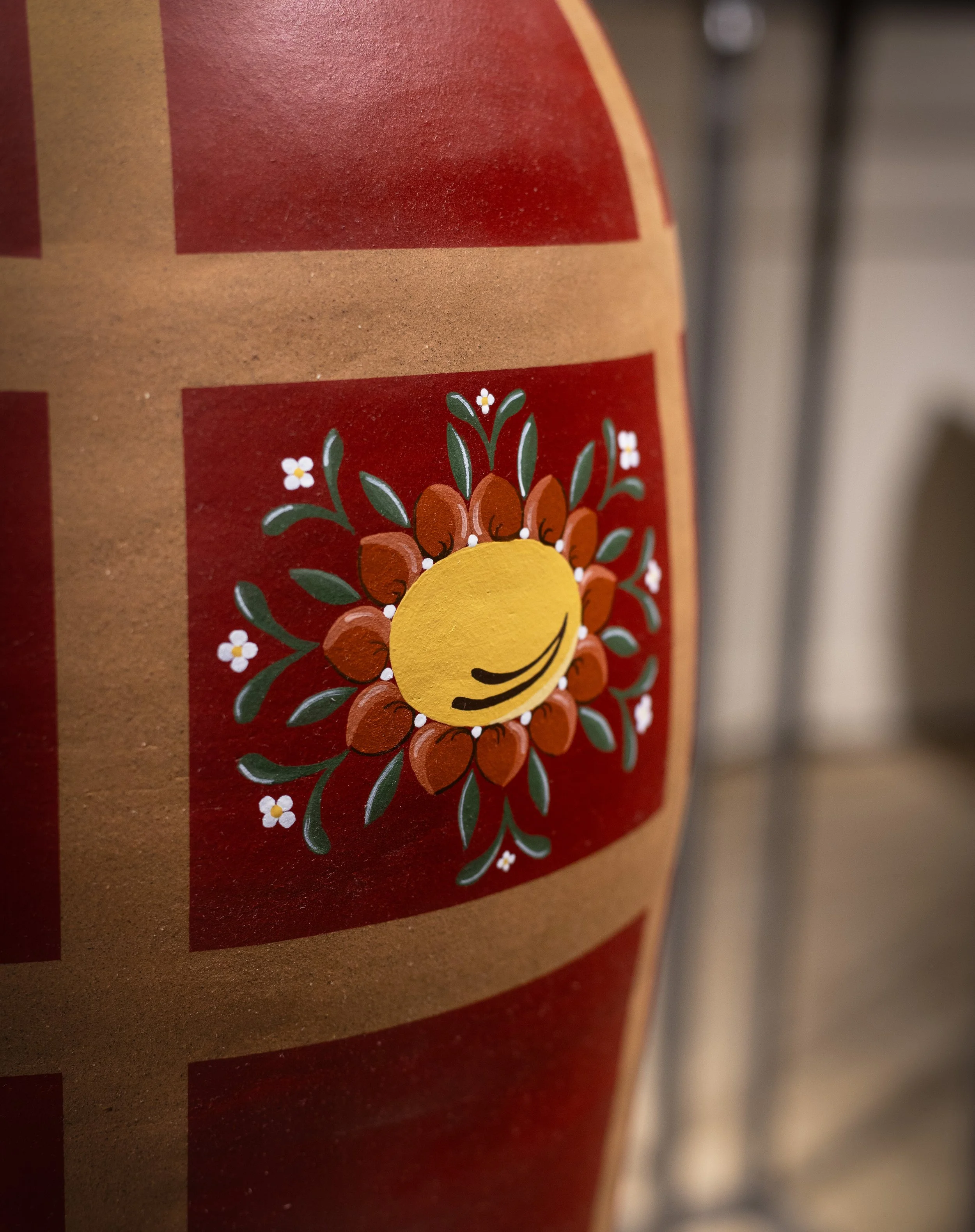
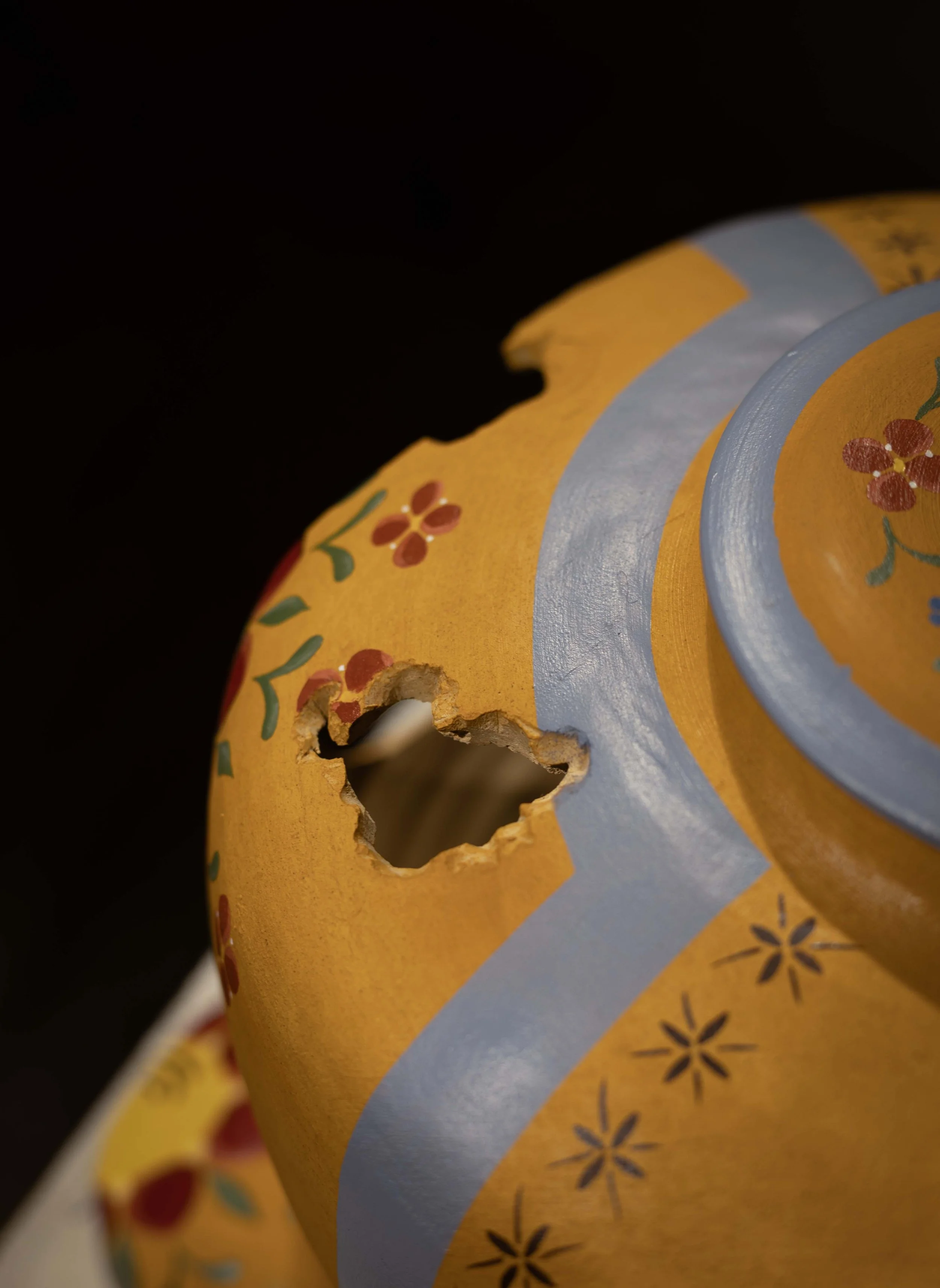
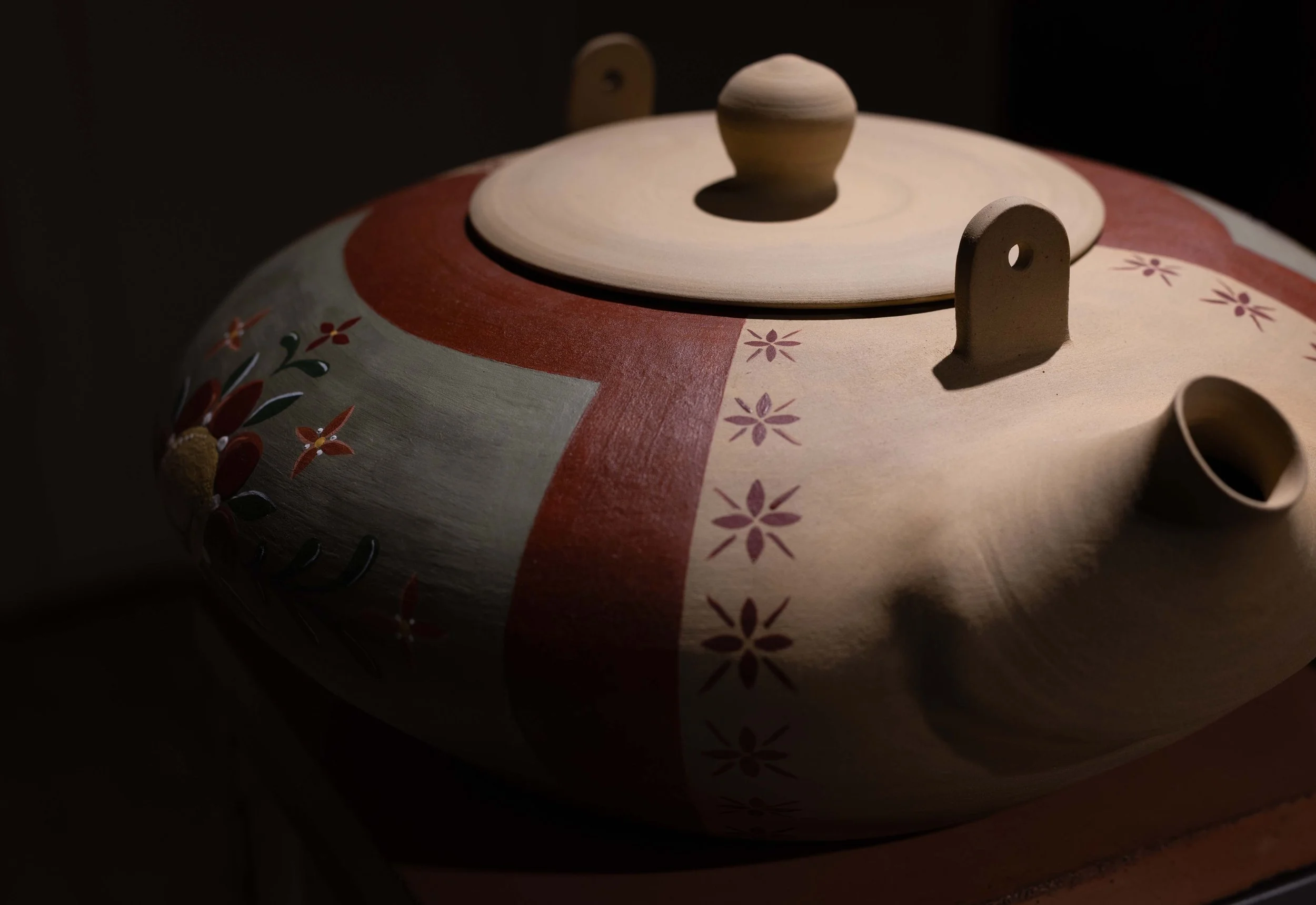
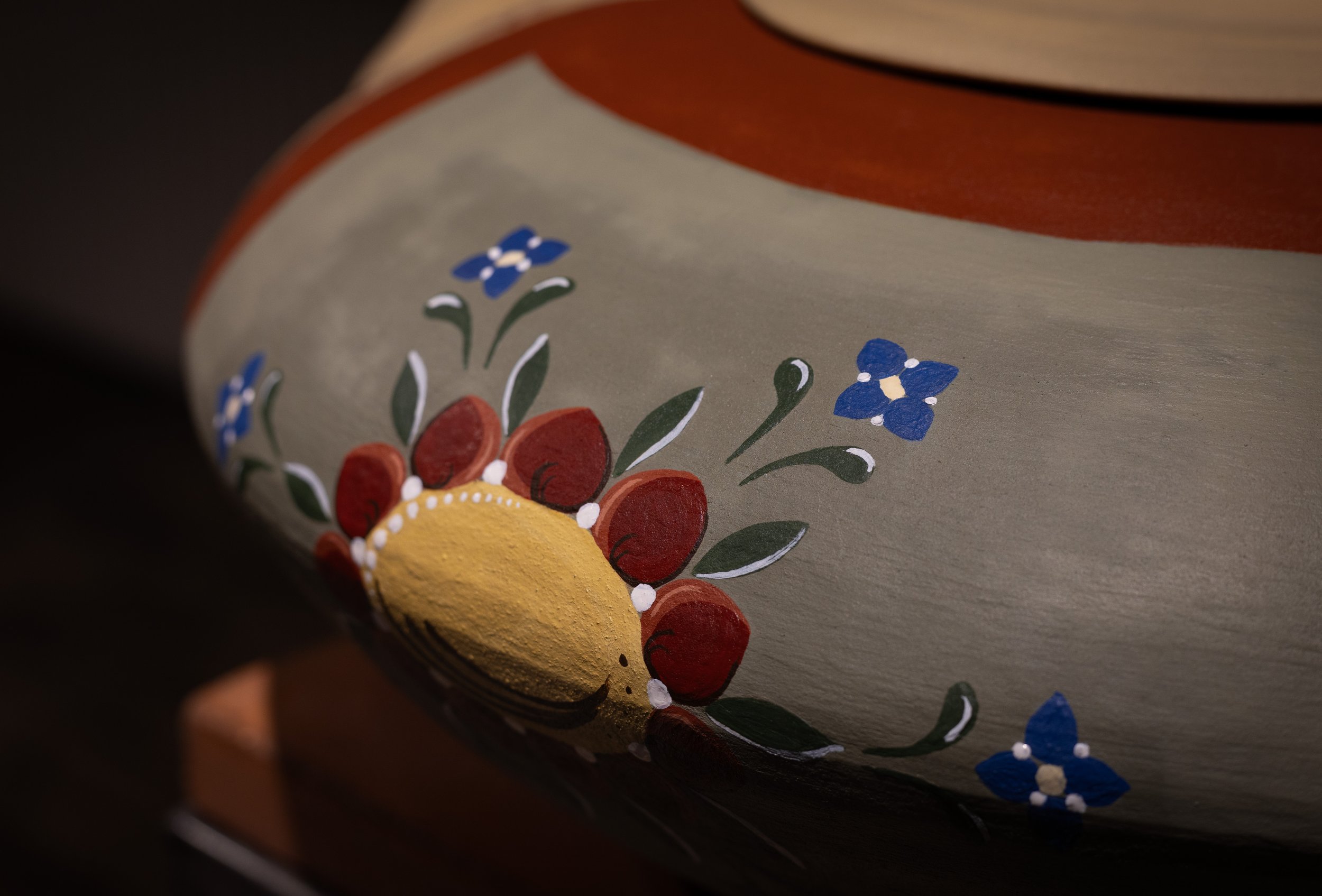
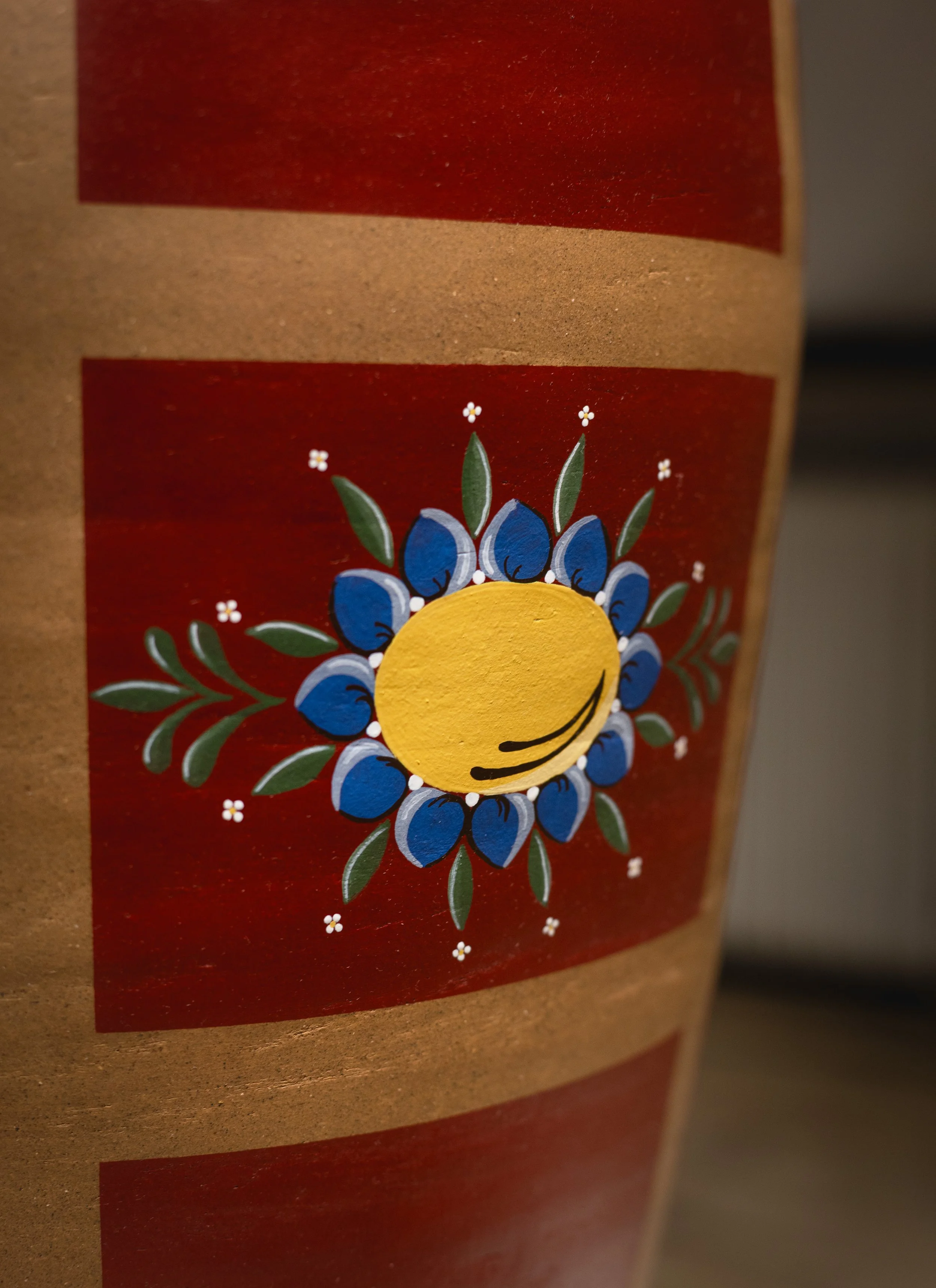
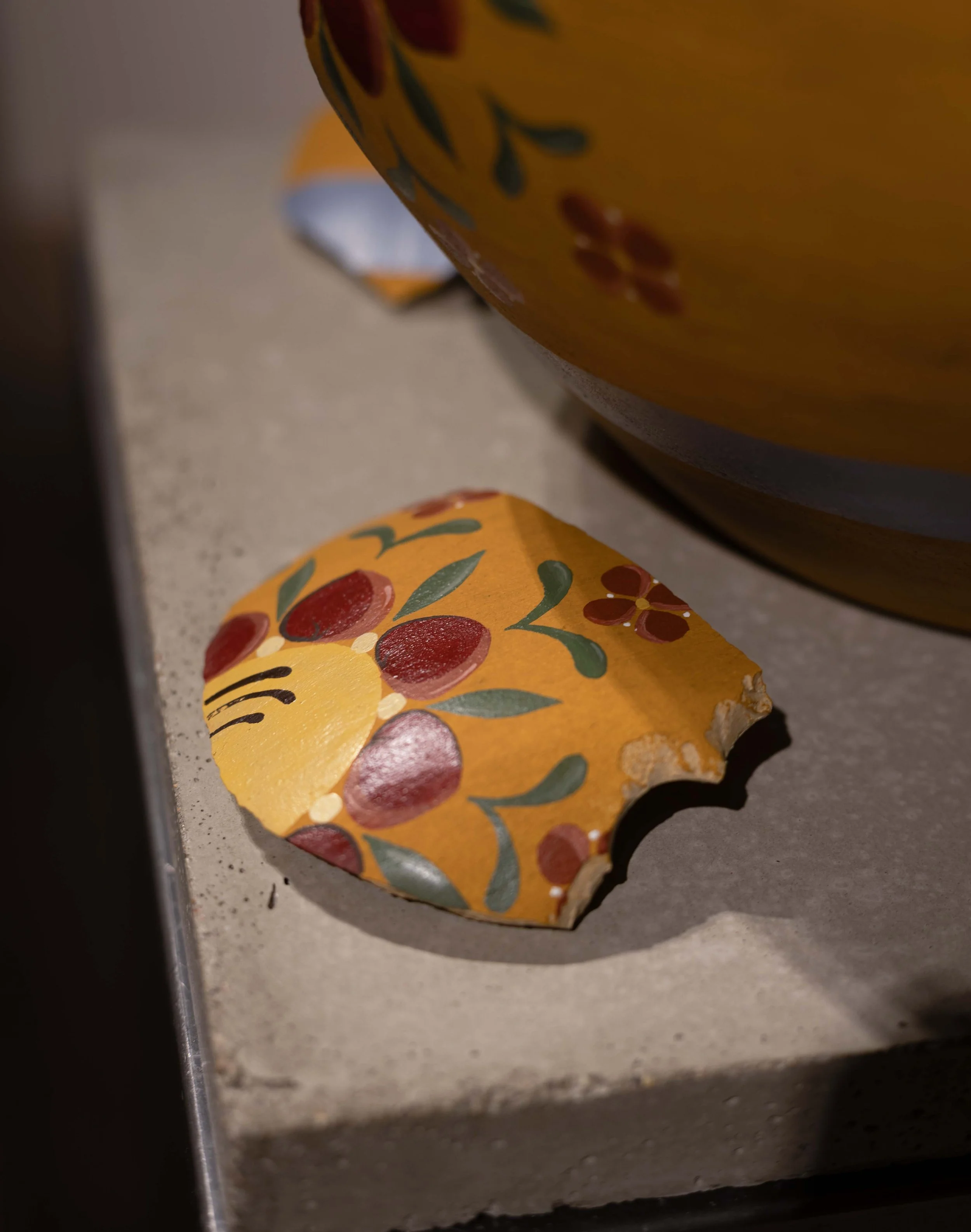
This process required quite a bit of experimentation and technical research. I wanted the ceramic surfaces to hold qualities similar to wood, allowing the linseed oil to behave naturally within the material. If the clay was fired at too low, say bisque fired, it absorbed the oil immediately, leaving the pigment dry and powdery on the surface. If fired too high, the surface prevented absorption altogether, resulting in a glossy finish with poor paint coverage.
To solve this, the clay needed to reach the point of partial vitrification in the kiln — sintered, but still slightly porous — allowing the oil to absorb slowly into the surface. This created an ideal canvas for the linseed oil paints.
The painting process itself became another challenge. Since I’m not much of a painter I basically had to learn how to paint altogether, as well as handling a new material that I’ve never used before. I studied examples of allmogemåleri (Swedish folk painting), pictures I’ve taken on my trip as well as pictures I’ve found on the internet. Observing patterns and brushwork in order to both understand and reinterpret the tradition through my own visual language.
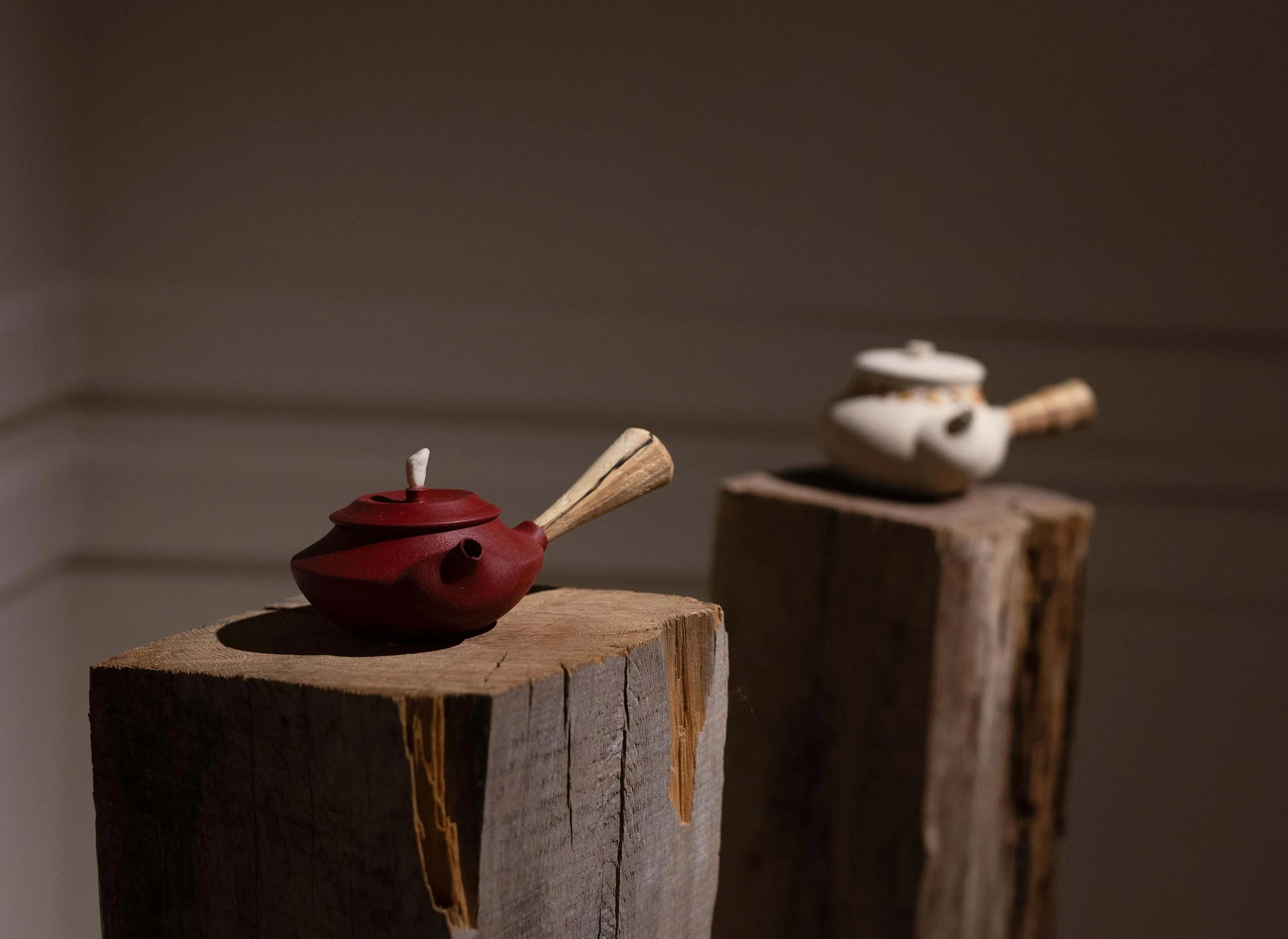
The sculptures are made from stoneware clay. Some are thrown on the wheel, while others are created through a combination of throwing and coiling techniques.